The United States and Iran are reportedly moving closer toward ending their recent conflict as military fatigue, economic pressure, and political costs begin to weigh heavily on both sides. After weeks of escalation, signs are emerging that Washington and Tehran are looking for an exit strategy through diplomacy. Pakistan is also being viewed as a potential beneficiary if peace talks succeed, due to its growing role as a mediator in the crisis.
War Fatigue Growing in Both Countries
The conflict has placed increasing pressure on both the U.S. and Iran. Military operations, economic disruptions, rising fuel prices, and public concern have created fatigue on both sides. Reports indicate that neither country wants a prolonged war, especially as costs continue rising.
For the United States, the war has increased pressure through higher oil prices, inflation risks, and domestic political criticism over military involvement abroad. For Iran, the conflict has worsened sanctions pressure, infrastructure damage, trade disruption, and economic hardship.
Fresh Peace Talks Could Resume Soon
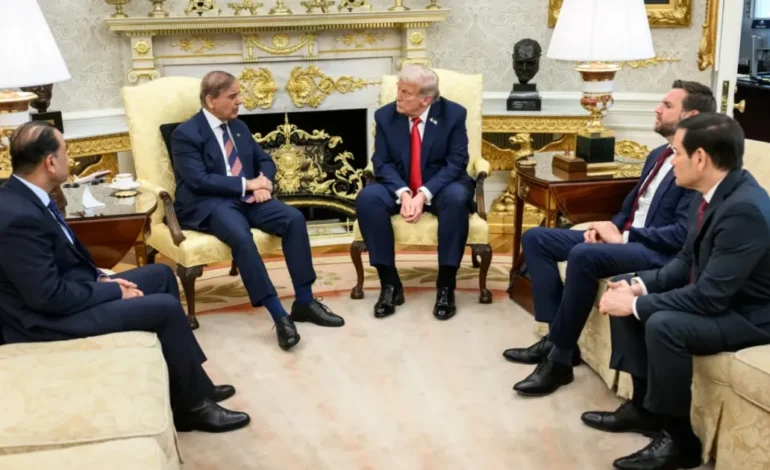
U.S. President Donald Trump said renewed peace talks with Iran could restart within the next two days, with Pakistan expected to host or facilitate discussions. The comments came after earlier ceasefire talks in Islamabad reportedly failed to reach a final breakthrough.
Despite the setback, diplomatic channels remain active, and both sides appear interested in restarting negotiations rather than continuing open conflict.
Why Pakistan Could Receive a “Peace Bonus”
Pakistan’s growing diplomatic role in facilitating talks has drawn international attention. If successful, Pakistan could gain several strategic benefits:
- Improved global diplomatic standing
- Stronger ties with the U.S. and regional powers
- Greater influence in West Asia affairs
- Economic goodwill and possible investment support
- Recognition as a mediator during crisis
The country has been praised by international officials for helping keep dialogue channels open.
Strait of Hormuz Crisis Raised Global Stakes
A major trigger in the conflict has been the Strait of Hormuz, one of the world’s most important oil shipping routes. U.S. naval pressure and Iranian responses increased fears of supply disruption. This pushed energy markets higher and created concern across Asia and Europe.
As hopes of talks returned, oil prices reportedly eased from recent highs, showing how sensitive global markets remain to the crisis.
Deep Mistrust Still Main Obstacle
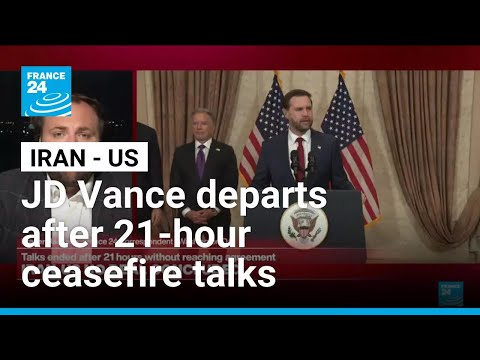
Although diplomacy is advancing, both countries continue to distrust each other. U.S. Vice President JD Vance said mistrust between Washington and Tehran cannot be solved overnight. However, he also indicated that Iran wants a deal and that discussions were meaningful.
This suggests negotiations may continue, but a final settlement could take time.
What Each Side Wants
Reports suggest the two sides still disagree on several core issues:
United States wants:
- Limits on Iran’s nuclear activities
- Security guarantees in the Gulf region
- Free navigation through Hormuz
- Reduction in regional military threats
Iran wants:
- Relief from sanctions
- Recognition of sovereignty
- End to military pressure
- Economic recovery opportunities
These unresolved demands remain central to any peace agreement.
Global Markets Welcome Peace Signals
Financial markets reacted positively to reports of renewed talks. Asian stocks rose, while oil prices fell as traders anticipated lower risk of wider regional war. Economists say a peaceful resolution would reduce inflation pressure and stabilize trade flows.
Why Both Sides Want an Exit Now
Several factors are pushing both governments toward compromise:
- Rising war costs
- Energy market instability
- Public fatigue
- Political pressure at home
- Regional diplomatic pressure
- Risk of wider conflict involving allies
Neither side appears eager for a long war with uncertain gains.