The conflict involving the United States, Iran, and Israel remained highly tense on April 15, 2026, as diplomatic efforts to prevent a wider war continued alongside military and economic pressure. Fresh reports suggested that a second round of ceasefire and peace talks could soon take place, possibly in Pakistan, while U.S. Vice President JD Vance admitted there is deep mistrust between Washington and Tehran that cannot be solved quickly. Despite this, both sides appear willing to keep negotiations alive.
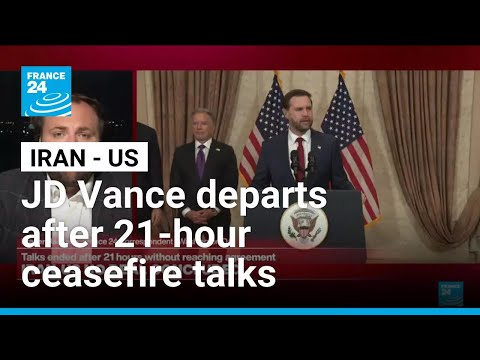
JD Vance Says Mistrust With Iran Cannot Be Solved Overnight
Speaking publicly, JD Vance said the United States and Iran have a long history of distrust, and such problems cannot disappear overnight. However, he also said Iranian negotiators appeared interested in making a deal and that he felt positive about the direction of discussions.
His comments suggest that while relations remain difficult, backchannel diplomacy is active and both governments may prefer negotiations over continued confrontation.
Trump Says Talks Could Resume Within Two Days
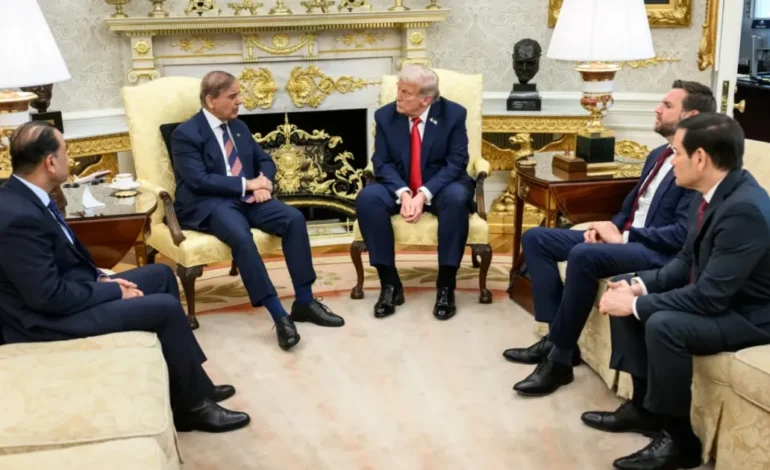
Former President Donald Trump said fresh talks aimed at ending the conflict could resume within the next two days. Reports indicated Pakistan may again play host to the next round of negotiations after earlier discussions failed to reach a final breakthrough.
Pakistan’s growing diplomatic role has drawn international attention, with Islamabad being viewed as an acceptable neutral venue for both Washington and Tehran.
Fragile Two-Week Ceasefire Still in Effect
A temporary two-week ceasefire between the U.S. and Iran was reported to still have around one week remaining. The truce has reduced direct large-scale fighting for now, but tensions remain extremely fragile.
Any breakdown in talks or new military incidents could quickly restart open conflict, making the coming days critical for regional stability.
Strait of Hormuz Remains the Main Pressure Point
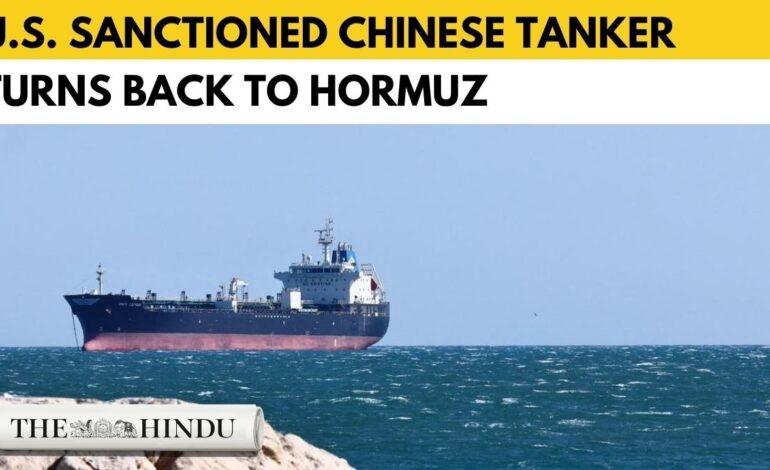
The Strait of Hormuz continues to be the most strategic issue in the crisis. The route handles a major share of global oil shipments, and disruption there has already impacted energy markets and shipping confidence.
The U.S. recently intensified pressure through a blockade of Iranian ports, while Iran has been accused of restricting movement in the strait. Six commercial ships reportedly turned back after the blockade began.
Israel-Lebanon Talks Add Another Diplomatic Layer
At the same time, Israel and Lebanon held rare talks in Washington in an effort to reduce tensions linked to Hezbollah and the northern Israel border. This development is seen as part of broader attempts to calm multiple fronts connected to the Iran crisis.
What Each Side Wants in Negotiations
United States priorities:
- Long-term limits on Iran’s nuclear program
- Free shipping through Hormuz
- Regional security guarantees
- Reduced military threats to allies
Iran priorities:
- Relief from sanctions
- End to economic blockade
- Respect for sovereignty
- Economic recovery and trade access
These major disagreements explain why progress has been slow.
Global Markets Watching Closely
Financial markets have reacted sharply to each stage of the conflict. Oil prices jumped during escalation and eased when peace talks resumed. Investors globally are watching whether diplomacy succeeds or the war expands further.
Why Pakistan’s Role MattersPakistan’s involvement as host and facilitator has increased its diplomatic relevance. If successful talks take place there again, Islamabad could gain strategic credibility and stronger ties with multiple powers involved in the crisis.