

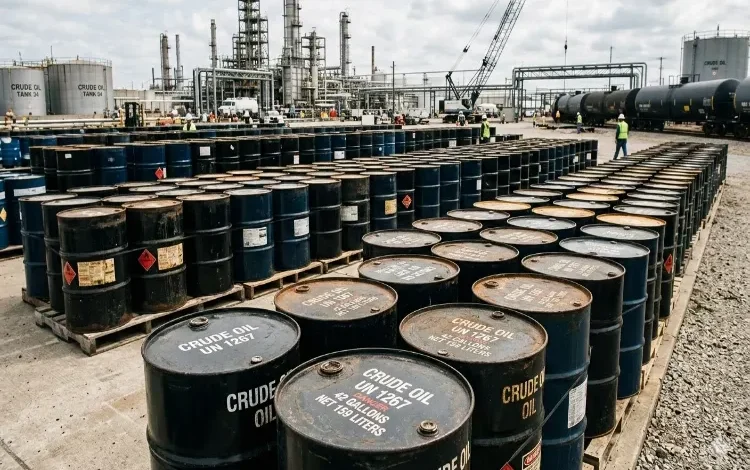
Crude oil prices gave up their early advance after Iran’s foreign ministry indicated that renewed negotiations with the United States remain possible, offering markets a fresh dose of optimism after days of escalating conflict in the Middle East.
Prices Slip From Multi-Week Highs
Brent crude, which had climbed to its highest level since June 11 earlier in the session, slipped back into negative territory as the diplomatic signals filtered through trading desks. West Texas Intermediate followed a similar path, retreating from its strongest levels since June 12 as traders weighed the possibility of de-escalation against the continued disruption to shipping through the Strait of Hormuz.

The reversal came after a blistering rally the previous week, when both benchmarks posted their steepest weekly gains in months on the back of intensifying hostilities between the US and Iran.
Iran Signals Room for Talks
A spokesperson for Iran’s foreign ministry said mediators had shared new proposals with Tehran in recent days, adding that any negotiations with Washington would be pursued in line with the country’s national interests. No specifics on the proposals were disclosed, but the comments were enough to trigger a swift shift in sentiment across energy markets, with oil erasing its earlier gains almost immediately.
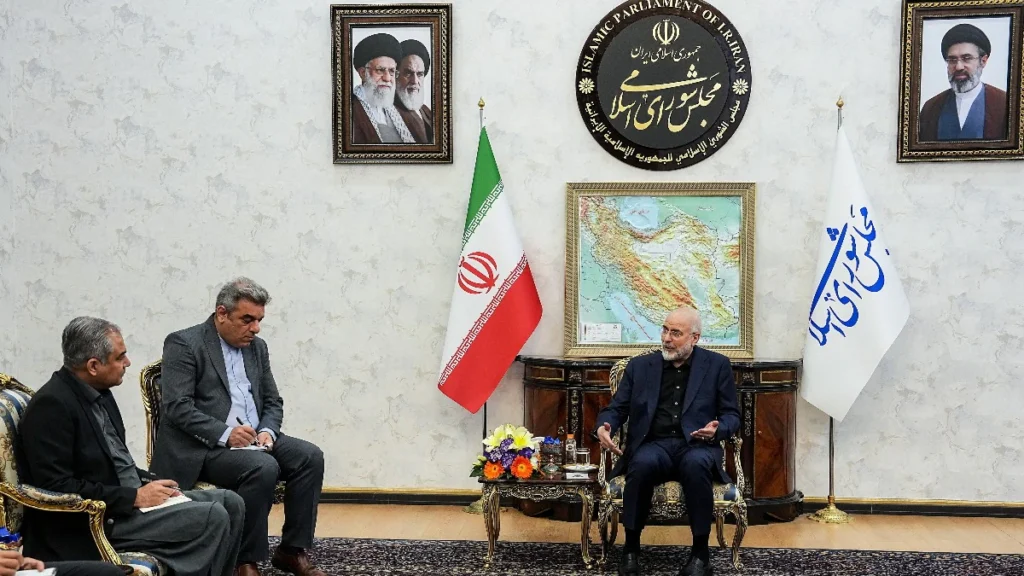
Conflict Still Simmering on the Ground
Despite the diplomatic overture, the situation on the ground remained tense. The US had carried out several consecutive nights of strikes against Iranian targets, while regional allies reported fresh Iranian strikes in the Gulf. Both sides have increasingly targeted shipping activity, with Washington enforcing restrictions on Iranian port traffic and Tehran warning vessels against violating its rules for transiting the Strait of Hormuz, a chokepoint that handles roughly a fifth of the world’s seaborne oil trade.

Flows through the strait have remained well below normal levels even as the news of possible talks lifted sentiment, underscoring how fragile the market’s optimism remains.
What It Means for Markets
Analysts have repeatedly cautioned that hope and doubt have swung back and forth throughout this conflict, with rallies fading quickly whenever fresh military action resumes. For now, the pullback in prices reflects cautious relief rather than confidence that a durable resolution is near. Traders are likely to stay focused on any further statements from Tehran or Washington, as well as tanker movement data out of the Gulf, for clues on where oil heads next.
What Investors Are Watching Next
Market participants are now closely monitoring diplomatic developments between Iran and the United States, as any progress toward formal negotiations could ease concerns over global energy supplies. At the same time, traders remain cautious because even a single military escalation in the region could quickly push crude oil prices higher again. Investors are also watching inventory reports, OPEC+ production updates, and shipping activity through the Strait of Hormuz for signs of further market volatility.

Global Economic Impact
Fluctuations in crude oil prices have a direct impact on inflation, transportation costs, and energy prices worldwide. Countries that rely heavily on imported oil may face increased fuel costs if geopolitical tensions intensify again. Conversely, sustained diplomatic progress could stabilize energy markets, reduce inflationary pressure, and improve investor confidence across global financial markets.
Outlook
While renewed hopes for diplomacy have temporarily eased pressure on oil prices, the overall outlook remains uncertain. Geopolitical risks in the Middle East continue to pose a significant challenge to global energy security. Until concrete progress is made in peace negotiations, crude oil prices are expected to remain highly sensitive to political developments, military actions, and disruptions in global supply chains.
Changes in crude oil prices influence far more than the energy sector. Higher oil prices often lead to increased fuel costs, higher transportation expenses, and rising prices for everyday goods and services. Businesses that depend on logistics and manufacturing may also experience higher operating costs, while consumers could see the impact at fuel stations and through overall inflation.