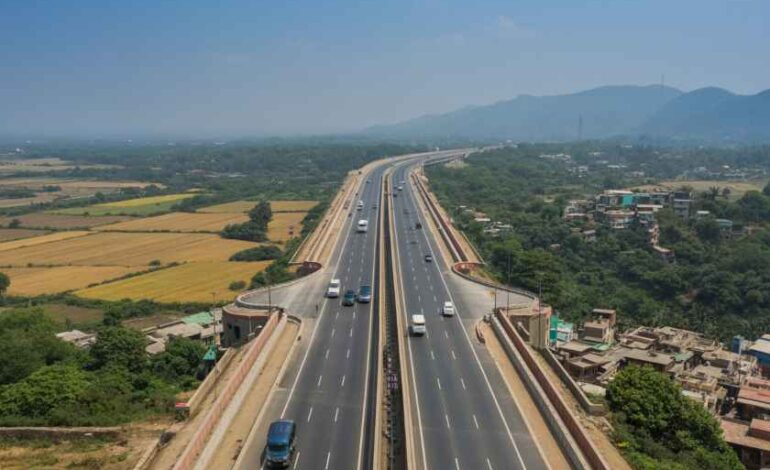
The newly launched Delhi-Dehradun Expressway is one of North India’s biggest road infrastructure projects and is expected to completely transform travel between Delhi and Uttarakhand. Once fully operational, the expressway will reduce travel time between Delhi and Dehradun from nearly 6 to 6.5 hours to just 2.5 hours, making road travel faster, smoother, and more convenient than ever before. The project is expected to benefit tourists, daily travelers, businesses, and the overall regional economy.
Massive Infrastructure Project Worth Nearly ₹12,000 Crore
The Delhi-Dehradun Expressway has been developed at an estimated cost of around ₹11,868 crore to ₹12,000 crore. It is an access-controlled expressway designed for high-speed travel and better road safety. The total length of the corridor is around 210 km to 213 km, connecting Delhi directly with Dehradun through improved highways and elevated sections. The project has been developed by the National Highways Authority of India (NHAI) as part of India’s broader highway modernization plan.
Delhi to Dehradun in Just 2.5 Hours by Road
Earlier, travelers had to spend around 6 hours or more depending on traffic, weather, and road conditions. Congestion in areas such as Ghaziabad, Meerut side routes, and city traffic often delayed journeys even further. With the new expressway, travel time is expected to come down dramatically to approximately 2.5 hours, making same-day return trips much easier. This is especially useful for weekend travelers, office commuters, tourists, and business visitors.
How It Compares With Flight Travel
Flights between Delhi and Dehradun may appear faster because actual flying time is usually around 50 minutes to 1 hour. However, total travel time is often much longer when airport procedures are included.
A normal air trip may involve:
- Reaching airport 1.5 to 2 hours early
- Security checks and boarding wait time
- Flight duration of around 1 hour
- Baggage collection after landing
- Travel from Jolly Grant Airport to Dehradun city or Mussoorie
Because of this, total travel time by flight can often become 3 to 4 hours or more, depending on delays. In comparison, the expressway offers direct point-to-point travel without airport hassles.
How It Compares With Train Travel
Train travel between Delhi and Dehradun remains a popular option, but it usually takes 5 to 6.5 hours depending on the train selected. Delays, station access, waiting time, and seat availability can further affect convenience. Popular trains such as Shatabdi and Jan Shatabdi offer comfortable travel, but the new expressway may attract passengers who prefer flexible timing and door-to-door road travel.
Why Many Travelers May Prefer the Expressway
The expressway could become the most practical option for many passengers because it combines speed with convenience. Travelers can leave directly from home, stop where needed, carry luggage freely, and reach their exact destination without transfers. For families, groups, and tourists going beyond Dehradun to Mussoorie, Rishikesh, Haridwar, or nearby hills, road travel may be more comfortable and economical.
Benefits include:
- No airport check-in or long waiting lines
- Flexible departure time
- Direct home-to-destination travel
- Better for group travel
- Easier luggage handling
- Faster than most train options
Boost for Tourism in Uttarakhand
The reduced travel time is expected to provide a major boost to tourism in Uttarakhand. Popular destinations likely to benefit include:
- Dehradun
- Mussoorie
- Rishikesh
- Haridwar
- Dhanaulti
- Chakrata
- Rajaji National Park region
Shorter travel time may encourage more weekend tourism from Delhi NCR and nearby cities. Hotels, restaurants, transport services, and local businesses could all benefit.
Wildlife-Friendly Engineering Features
One of the most talked-about parts of the project is its eco-sensitive design. The expressway includes an approximately 11 km wildlife corridor, including underpasses and elevated sections, to protect animal movement in forest areas linked to the Rajaji National Park ecosystem. This helps reduce accidents and supports conservation efforts while expanding infrastructure.
Reduced Congestion on Existing Highways
Current routes between Delhi and Dehradun often face congestion from urban traffic, trucks, toll bottlenecks, and mixed road usage. The new expressway is expected to shift a large volume of traffic away from older highways, helping reduce jams and improving traffic flow for both passenger and freight vehicles.
Economic Benefits for the Region
Better connectivity often leads to higher investment, more tourism spending, faster goods movement, and job creation. Cities and towns connected through the route may see growth in hospitality, logistics, retail, and real estate sectors over time.