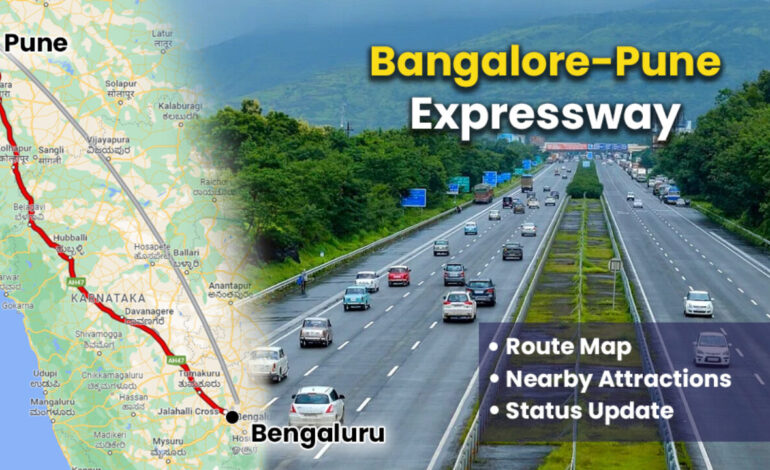
A major new infrastructure project connecting Bengaluru and Pune is expected to significantly reduce travel time between the two major cities to just 7 hours, creating a faster and smoother transport corridor across southern and western India. The proposed Bengaluru-Pune Expressway is being seen as a game-changing project for business travel, tourism, logistics, and regional economic growth. Once completed, the expressway is expected to transform road connectivity between Karnataka and Maharashtra.
Current Travel Time to Be Reduced Dramatically
At present, traveling between Bengaluru and Pune by road usually takes around 14 to 15 hours, depending on traffic, road conditions, toll delays, and weather. Heavy vehicle movement on highways often increases travel time further.
With the new expressway, this travel duration is expected to be cut by nearly half to around 7 hours, making same-day travel much easier for passengers and businesses. This would be a major advantage for people who frequently travel between the two cities for work, education, tourism, or family visits.
Why This Expressway Is Important
Bengaluru and Pune are two of India’s most important economic and technology centers. Bengaluru is known as India’s IT capital, while Pune is a major automobile, education, IT, and industrial hub. Faster road connectivity between the two cities can bring multiple benefits:
- Better business movement between Karnataka and Maharashtra
- Faster logistics and goods transport
- Growth in tourism and weekend travel
- Reduced traffic pressure on existing highways
- Improved access for nearby towns and villages
- More job opportunities and investment along the corridor
Villages and Areas on the Route
According to reports, several villages and local regions are expected to be covered or impacted by the proposed corridor. The project route will pass through multiple districts and rural areas to create a direct, access-controlled high-speed road link.
Land acquisition and planning processes may include villages in Karnataka and Maharashtra regions located between Bengaluru and Pune. The final alignment is expected to connect industrial belts, transport zones, and fast-growing semi-urban areas.
Major Boost for Logistics and Freight Movement
The expressway is likely to become a critical freight corridor because both Bengaluru and Pune are major manufacturing and business cities. Faster truck movement can reduce delivery times, fuel costs, and logistics expenses.
Industries expected to benefit include:
- IT hardware and electronics
- Automobile manufacturing
- E-commerce supply chains
- Agriculture transport
- FMCG goods movement
- Industrial machinery and components
Tourism and Passenger Benefits
The shorter travel time can also encourage more tourism between Karnataka and Maharashtra. Travelers may choose road trips more often due to improved comfort and reduced travel fatigue.
Popular tourism circuits that may benefit include:
- Bengaluru to Pune city breaks
- Goa and western coast onward travel links
- Hill station routes in Maharashtra
- Religious tourism circuits
- Weekend family road trips
Economic Growth Along the Corridor
Large expressway projects often create growth zones along the route. New warehouses, hotels, restaurants, fuel stations, industrial parks, logistics hubs, and townships may emerge near interchanges and exits.
This can increase land value and generate employment opportunities for communities located near the corridor. Small businesses in connected towns may also benefit from increased traffic movement.
Better Alternative to Existing Highways
The current road network between Bengaluru and Pune often faces congestion, bottlenecks, mixed traffic, and delays. A dedicated expressway would provide safer high-speed travel with controlled entry and exit points, better lane discipline, and improved travel reliability.
This could also reduce accident risks compared with overloaded conventional highways.