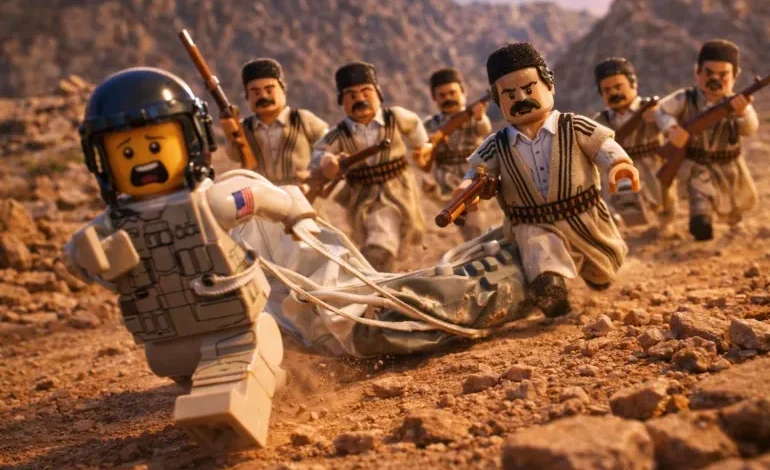
In one of the most unexpected twists of modern geopolitical conflict, Iran’s viral AI-generated Lego-style videos have emerged as a powerful digital propaganda tool, helping Tehran win a global online narrative battle against former U.S. President Donald Trump and Western messaging during the ongoing Iran conflict. What began as short satirical clips has now become a worldwide media phenomenon, showing how memes, AI, and social media can shape perceptions as much as missiles and diplomacy.
The Rise of Iran’s Viral Lego Videos
The videos, produced by Iranian creators and widely shared online, use Lego-like animated characters to portray global political events. They often depict Trump, U.S. leaders, and Israeli figures in exaggerated satirical roles while presenting Iran as resisting foreign aggression.
Their unique style mixes:
- Bright toy-like visuals
- Dark political satire
- Fast-paced storytelling
- Emotional anti-war messaging
- References to historic U.S. military actions
This combination made them highly shareable across TikTok, X, Instagram, and Telegram.
Why They Went Viral
According to analysts quoted in reports, the videos succeeded because they were:
1. Cheap but High Impact
Produced at low cost using AI tools and simple animation, they reached millions globally without requiring state-level media budgets.
2. Easy to Understand
Even viewers unfamiliar with Middle East politics could understand the basic message through visuals and symbolism.
3. Perfect for Social Media
Short, humorous, emotional clips often outperform formal political speeches online.
4. Designed for Younger Audiences
Gen Z and younger millennials are more likely to engage with meme-style content than traditional news broadcasts.
What the Videos Show
Some clips reportedly portray:
- Native American victims of U.S. history
- Enslaved Black Americans
- Iraq war imagery such as Abu Ghraib
- Trump as an arrogant cartoon leader
- Iran as standing up to empire
Rather than focusing only on Iran, the videos widen the story into criticism of America’s historical wars and injustices. This helped attract viewers far beyond Iran’s own supporters.
Why They Hurt Trump’s Messaging
During the conflict, Trump’s communication style relied heavily on bold statements, memes, and aggressive rhetoric. But critics say Iran’s creators outperformed U.S. messaging by being:
- Funnier
- More creative
- More emotionally resonant
- Better adapted to internet culture
- More relatable internationally
Some analysts described it as Iran “out-shitposting” the White House in the digital battle.
The Group Behind the Videos
Reports highlighted a creator collective known as Explosive Media, which gained global attention for producing many of the viral clips. They reportedly said their success came from creating content with “heart” and understanding Western online culture.
Soft Power in the Age of AI
This episode shows how soft power is changing. In the past, governments relied on:
- TV channels
- Official speeches
- Press conferences
- State newspapers
Now influence can come through:
- AI-generated memes
- Viral animation
- Short video propaganda
- Creator-led campaigns
- Social media algorithms
The battlefield of public opinion has moved to phones and feeds.
Critics Warn of Propaganda Risks
While many praised the creativity, others warned the videos are still propaganda. Like all wartime messaging, they may simplify facts, omit context, and emotionally manipulate viewers.
Experts caution audiences to separate:
- Artistic messaging
- Verified facts
- Political agendas
- Entertainment-style persuasion
Why This Matters Globally
The success of Iran’s Lego videos could inspire governments, activists, and political groups worldwide to use AI-generated storytelling during conflicts, elections, and diplomatic disputes.
This means future information wars may be fought through:
- Memes instead of manifestos
- Satire instead of speeches
- Viral clips instead of official statements
Bigger Lesson for the U.S.
The story also reveals a challenge for Western governments: technological superiority does not guarantee cultural influence online. Sometimes the side that understands humor, narrative, and algorithmic attention wins.
Conclusion
Iran’s viral Lego videos show that in the digital age, perception can be as important as military power. Through satire, AI animation, and smart storytelling, Iranian creators managed to shape global conversation and challenge Trump-era messaging on one of the world’s biggest stages. Whether viewed as propaganda or innovation, they prove one thing clearly: the narrative war is now fought online.