

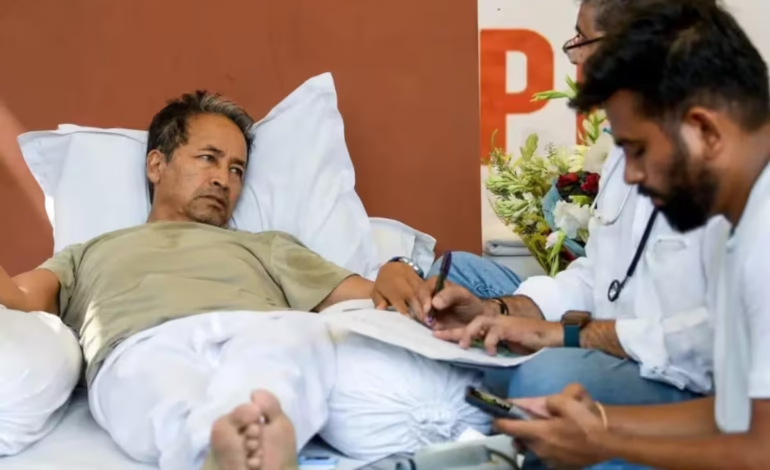
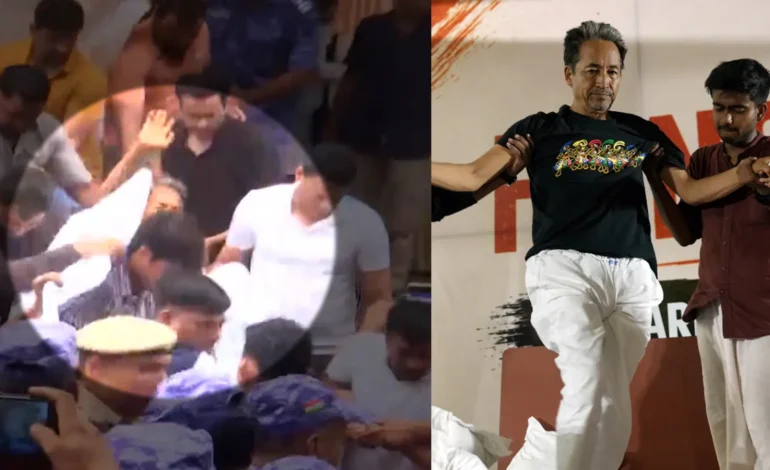
New Delhi: The Delhi High Court has directed the Central Government to take immediate and appropriate steps to ensure the safety and well-being of environmental activist and education reformer Sonam Wangchuk, who has been on a prolonged hunger strike. The court’s strong observation came after hearing an urgent petition that warned the 59-year-old activist’s health had reached a critical stage and that he may not survive the next 48 hours without medical intervention.
The case has drawn nationwide attention, with supporters, environmental groups, and civil society organizations urging authorities to respond to Wangchuk’s demands through dialogue while ensuring his health is protected.
High Court’s Strong Observation
During the hearing, the Delhi High Court expressed serious concern over Wangchuk’s deteriorating health. The bench instructed the Centre to “do whatever it takes to save Sonam Wangchuk’s life,” emphasizing that preserving life remains the highest priority.
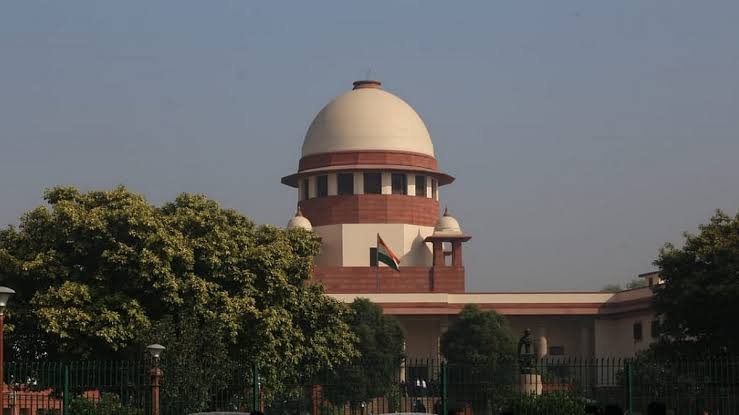
The court directed government officials to coordinate with medical authorities and ensure all necessary measures are taken to prevent any irreversible medical emergency. While hearing the matter, the judges stressed that the right to life is a fundamental constitutional value and cannot be ignored even when a person is participating in a peaceful protest.
Petition Warned of Critical Health Condition
The urgent petition was filed on Wednesday, highlighting that Sonam Wangchuk’s prolonged fast had severely affected his physical condition. According to the plea, doctors monitoring his health warned that he could face life-threatening complications if he did not end his hunger strike within the next 48 hours.
The petitioner requested immediate judicial intervention, arguing that the government should engage with Wangchuk and ensure he receives proper medical attention without delay.
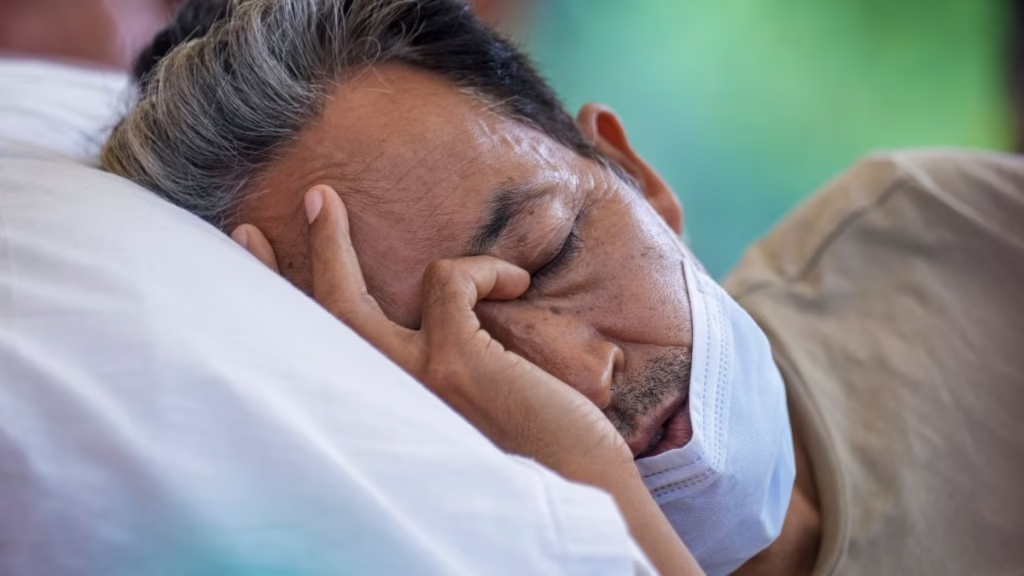
Why Is Sonam Wangchuk on Hunger Strike?
Sonam Wangchuk has been campaigning for stronger constitutional safeguards and greater environmental protection for the Union Territory of Ladakh. His movement focuses on preserving the fragile Himalayan ecosystem, protecting local communities, and seeking constitutional measures that supporters believe are necessary for the region’s long-term sustainability.
The activist has repeatedly appealed for meaningful discussions with the Central Government regarding these issues. His hunger strike has become a symbol of the larger movement advocating for Ladakh’s ecological conservation and governance concerns.
Government Asked to Respond
Following the High Court’s observations, the Centre is expected to submit its response regarding the steps being taken to safeguard Wangchuk’s health and address the concerns raised in the petition.
Legal experts say the right to peaceful protest National Human Rights Commission believes the court’s intervention highlights the judiciary’s emphasis on balancing an individual’s right to protest with the state’s responsibility to protect life.
Support Continues Across the Country
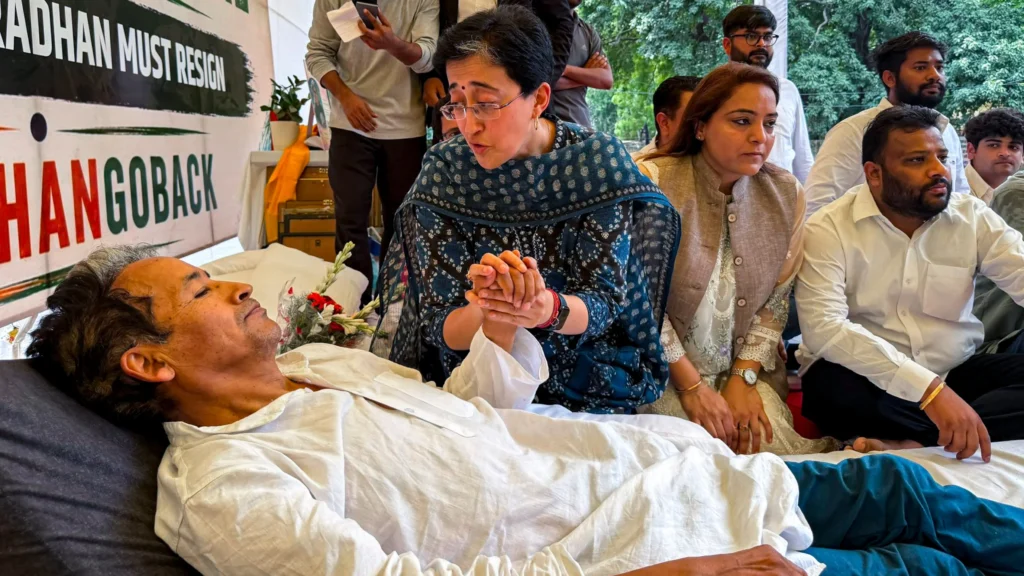
Supporters across India have expressed concern over Wangchuk’s condition. Several social activists, environmental organizations, and citizens have appealed for constructive dialogue between the government and the activist to find a peaceful resolution.
Many have also urged authorities to prioritize his medical care while respecting his democratic right to protest.
What’s Next?
The Delhi High Court is expected to continue monitoring the matter as the Centre updates the court on the actions taken. Medical assessments of Wangchuk’s condition will also play a crucial role in the proceedings.
The case has now evolved into a significant political issue, drawing attention from opposition leaders, civil society groups, environmental activists, and policymakers across the country. Political parties have urged the Central Government to engage in dialogue with Sonam Wangchuk and address the concerns raised over Ladakh’s constitutional safeguards and environmental protection. As the debate continues, the matter has become one of the most closely watched developments involving public protest, environmental activism, constitutional rights, and national politics, with many hoping for a peaceful resolution that safeguards Wangchuk’s health while addressing the issues he has raised.
Conclusion
The Delhi High Court’s direction to the Centre to “do whatever it takes” to save Sonam Wangchuk’s life underscores the seriousness of the situation. As concerns over his health intensify, the focus now shifts to the government’s response and whether dialogue can help resolve the issues behind his hunger strike while ensuring his safety.




1 Comment
[…] Do Whatever It Takes To Save Sonam Wangchuk’s Life: High Court Directs Centre Amid Health Conc… […]