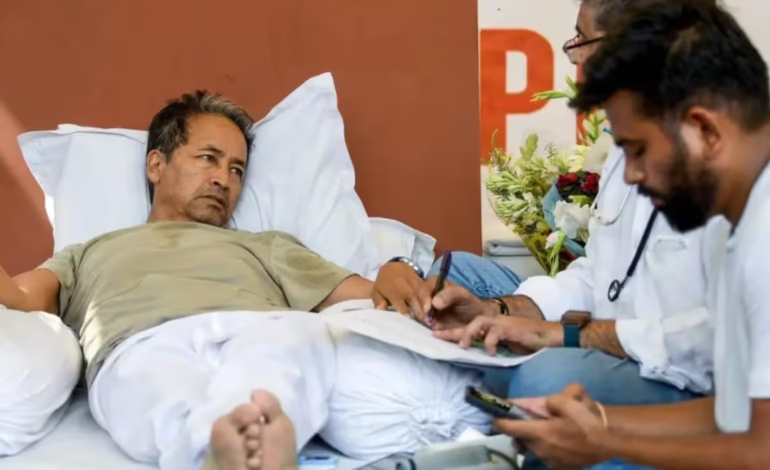

Climate activist and education reform advocate Sonam Wangchuk was taken to Safdarjung Hospital early Saturday morning after completing 21 days of an indefinite hunger strike at Delhi’s Jantar Mantar. Delhi Police said the action was taken following medical advice and in compliance with the Delhi High Court’s directions after doctors warned that Wangchuk’s health had deteriorated significantly.
The development marks a dramatic turn in the high-profile protest that has drawn nationwide attention from students, civil society groups, political leaders, and environmental activists.
Why Was Sonam Wangchuk Hospitalised?
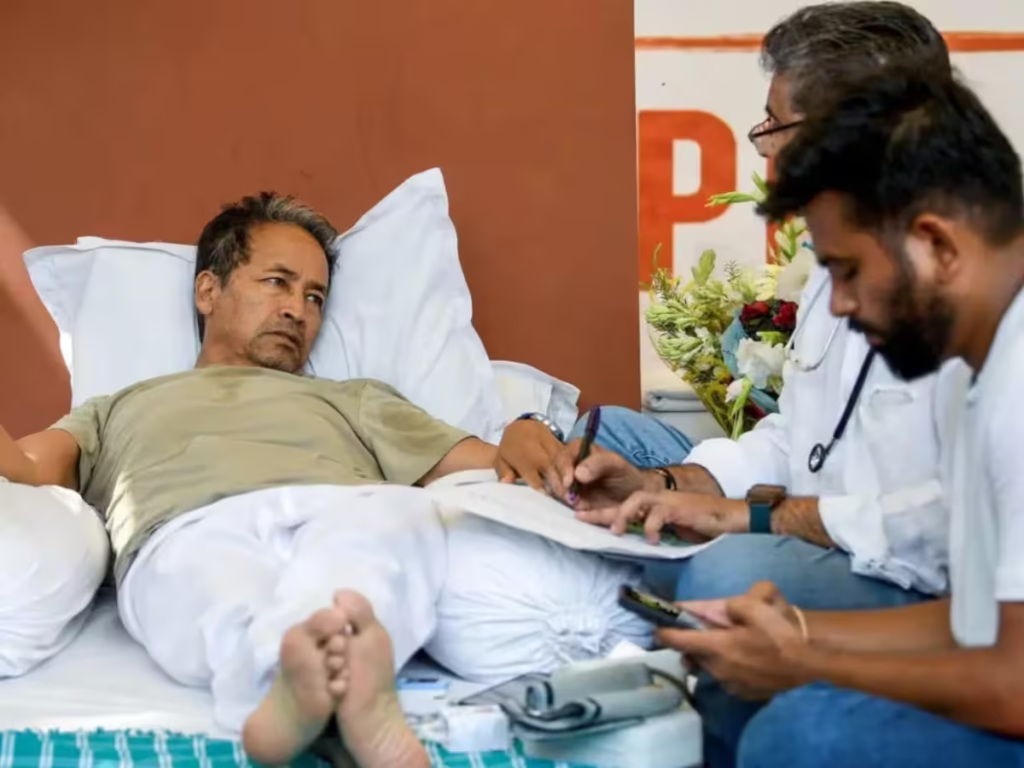
According to Delhi Police, Wangchuk’s health had become critical after nearly three weeks without food. Authorities stated that doctors recommended immediate medical intervention, and the Delhi High Court had earlier directed officials to closely monitor his condition and ensure that appropriate treatment was provided if required.
Police officials said Wangchuk was shifted to VMMC & Safdarjung Hospital for “essential medical care” while assuring that the move was carried out to protect his life.
What Happened at Jantar Mantar?
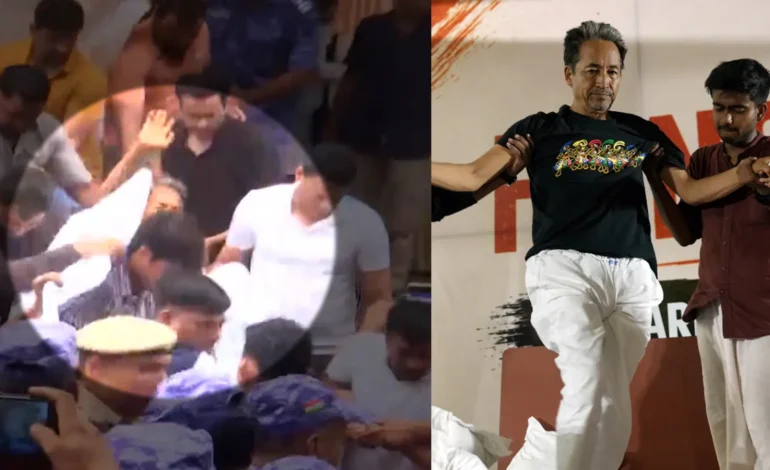
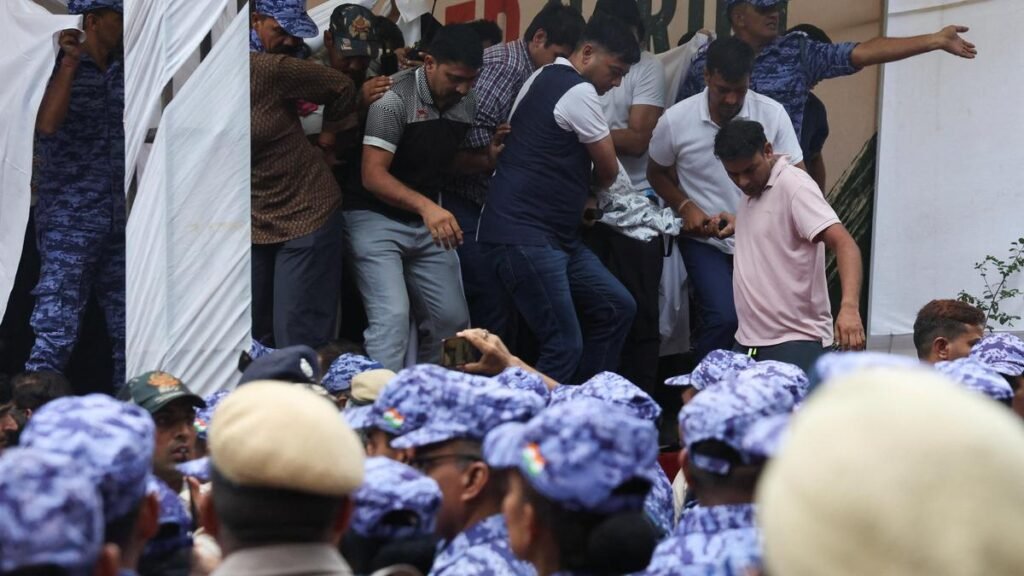
The removal of Wangchuk from the protest site led to tense moments at Jantar Mantar.
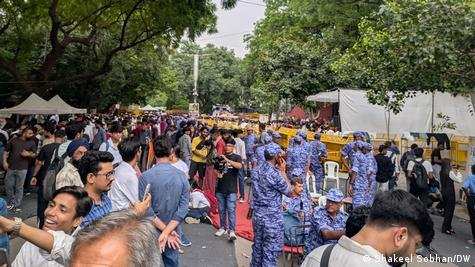
Heavy police deployment was seen around the protest venue as officers escorted Wangchuk to an ambulance. Supporters attempted to stop the police action, resulting in brief commotion before the activist was taken to the hospital. Delhi Police later appealed to protesters to vacate the site peacefully.
Videos circulating on social media showed emotional scenes as supporters raised slogans while Wangchuk was being transported for treatment.
The Protest That Reached Day 21
Sonam Wangchuk began his hunger strike on June 28 in solidarity with a youth-led movement demanding accountability over alleged irregularities in the NEET examination and broader education reforms.
Throughout the protest, doctors regularly monitored his health as he reportedly experienced significant weight loss and increasing physical weakness. Medical experts had repeatedly expressed concern that continuing the fast could pose serious health risks.
The Protest That Reached Day 21
Sonam Wangchuk began his hunger strike on June 28 in solidarity with a youth-led movement demanding accountability over alleged irregularities in the NEET examination and broader education reforms.
Throughout the protest, doctors regularly monitored his health as he reportedly experienced significant weight loss and increasing physical weakness. Medical experts had repeatedly expressed concern that continuing the fast could pose serious health risks.
Delhi High Court’s Intervention
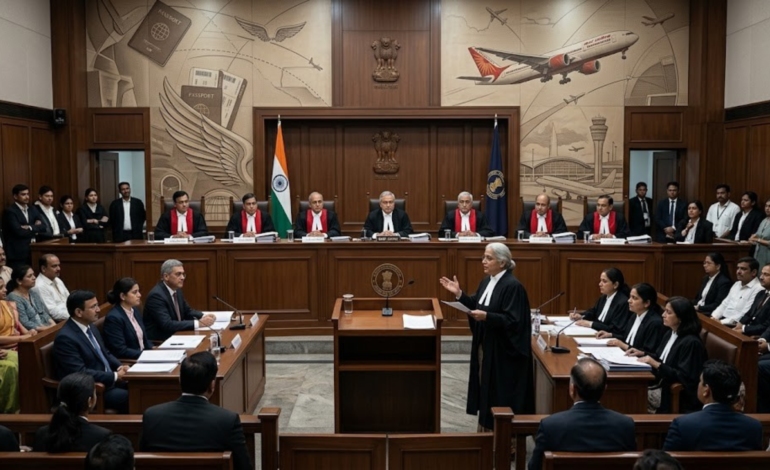
The Delhi High Court had recently taken up a Public Interest Litigation (PIL) regarding Wangchuk’s deteriorating health.
During the hearing, the court emphasized that “the life of every citizen is precious” and directed authorities to ensure regular medical monitoring. Following these observations and expert medical advice, Delhi Police shifted Wangchuk to the hospital on Saturday morning.
Family and Supporters React
Following Wangchuk’s removal, members of his family and several supporters questioned whether hospitalisation was necessary, arguing that the activist wished to continue his peaceful protest.
Meanwhile, supporters gathered outside the hospital and continued demanding transparency, accountability, and dialogue with the government regarding the issues raised during the agitation.
What Happens Next?
Doctors are expected to conduct a comprehensive medical evaluation to determine Wangchuk’s condition and whether he requires prolonged treatment.
The future of the protest remains uncertain, although organisers have indicated that the movement will continue despite Wangchuk’s hospitalisation. Reports also suggest that other protest leaders intend to carry forward the campaign and planned demonstrations in the coming days.
Why This Story Matters
Sonam Wangchuk’s hunger strike has become one of the most closely watched public protests in recent weeks. Beyond concerns over his health, the movement has reignited discussions on education reforms, transparency in competitive examinations, democratic protest, and the government’s response to public dissent.
His hospitalisation is likely to intensify political debate while raising fresh questions about how authorities balance public safety with the right to peaceful protest.