
New Delhi, July 14: The Supreme Court has directed the Central Government to submit the newly drafted Supreme Court aviation rules within two weeks, even before they are formally introduced in Parliament. The proposed regulations, prepared under the Bharatiya Vayuyan Adhiniyam, 2024, aim to address volatile airfares, improve passenger rights, and bring greater transparency to India’s civil aviation sector.
The direction was issued while hearing a Public Interest Litigation (PIL) seeking stronger regulation of airline ticket pricing and additional charges imposed by private carriers during festivals, emergencies, and other peak travel periods. According to the petition, the absence of a dedicated airfare regulator has resulted in unpredictable ticket prices that place an unfair burden on passengers.
Readers can also explore our coverage on the Delimitation Bill tabled in Lok Sabha to understand how important legislative proposals move through Parliament.
Supreme Court Seeks Draft Aviation Rules
A Bench comprising Justice Vikram Nath and Justice Sandeep Mehta instructed the Union Government to submit the finalized draft of the Supreme Court aviation rules in a sealed cover within two weeks. The court clarified that the draft should be presented even if it has not yet been tabled in Parliament.
Representing the Centre and the Directorate General of Civil Aviation (DGCA), Additional Solicitor General Anil Kaushik informed the Bench that the rules have already been finalized.
However, they are currently being translated into Hindi and other official languages before being introduced during the upcoming Monsoon Session of Parliament, scheduled to begin on July 21.
Kaushik requested additional time, stating that the government intended to complete the parliamentary process before making the rules public. However, the Bench emphasized the importance of examining the draft without waiting for parliamentary proceedings.
Petitioner Calls for Public Consultation
Senior advocate Ravindra Srivastava, appearing on behalf of petitioner and social activist S. Laxminarayan, argued that the Bharatiya Vayuyan Adhiniyam, 2024 requires draft rules to be released for public consultation before they are formally presented in Parliament.
According to the petitioner, public consultation is a key requirement for ensuring transparency and accountability while framing important aviation regulations. The petition argues that bypassing this process could reduce public participation in decisions that directly affect millions of air travellers across the country.
Taking note of these submissions, the Supreme Court directed the Centre to submit the finalized draft for judicial review within the specified timeline.
Official aviation safety guidelines and passenger regulations are also available through the Directorate General of Civil Aviation (DGCA).
PIL Challenges Dynamic Airfare Pricing
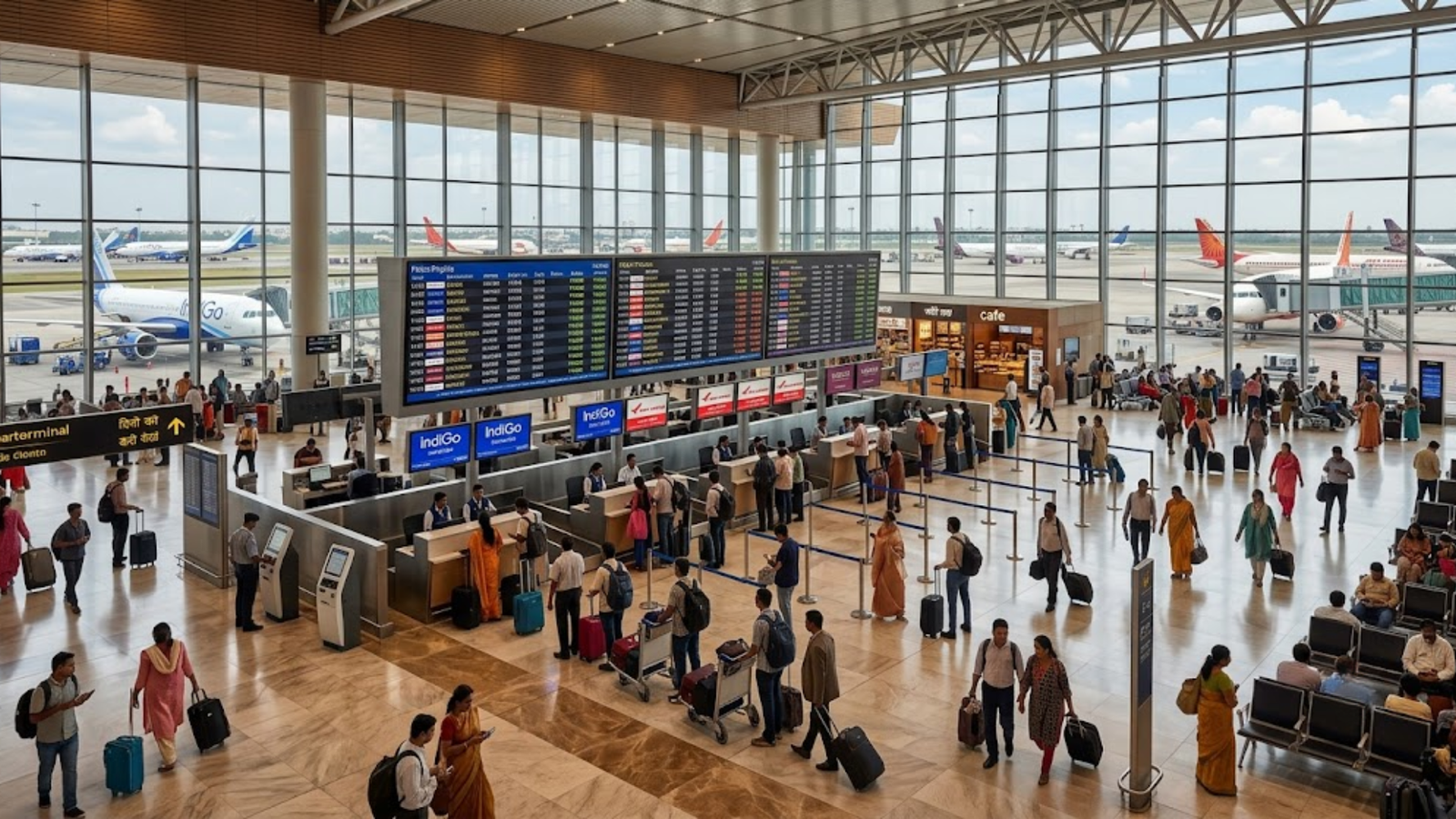
The PIL seeks legally enforceable Supreme Court aviation rules to regulate excessive airfare increases during high-demand periods. It also questions several ancillary charges imposed by airlines, including seat selection fees, convenience charges, and dynamic pricing models that often result in steep fare increases.
According to the petition, airline ticket prices can increase by as much as 100% to 300% during festivals, natural disasters, and emergency situations. The petitioner argues that such practices disproportionately impact middle-class families and passengers who need to travel at short notice.
The case also highlights the absence of an independent airfare regulator capable of monitoring pricing practices and ensuring greater transparency across the aviation sector.
DGCA Directives and Passenger Welfare Measures
During the hearing, the petitioner also questioned the Centre’s decision to suspend a DGCA directive issued on March 18 that was designed to improve passenger convenience and strengthen consumer protection.
The directive proposed several passenger-friendly measures, including reserving at least 60% of airline seats without additional seat selection charges and ensuring that passengers travelling under the same Passenger Name Record (PNR) are seated together whenever possible.
Senior advocate Ravindra Srivastava argued that withdrawing such directions weakens passenger rights and raises concerns about the effectiveness of the existing regulatory framework.
Readers can also explore our report on Women’s Reservation Bill to understand how major policy reforms and legislative changes are shaping governance in India.
Supreme Court Questions Sharp Rise in Airfares
The Bench also discussed recent concerns surrounding sudden airfare increases. Justice Sandeep Mehta referred to reports suggesting that airlines often cite global events, including tensions around the Strait of Hormuz and fluctuations in fuel prices, as reasons for increasing ticket fares.
However, the petitioner argued that aviation fuel contributes only a limited share of the total airfare, making fare hikes of 100% to 300% difficult to justify. According to the petition, passengers frequently bear the burden of excessive pricing during festivals, emergencies, and peak travel seasons.
Lack of Airfare Regulator Under Scrutiny
The petition further argues that India currently lacks an independent statutory authority to regulate domestic airfares. As a result, airlines are largely free to determine ticket prices using algorithm-based dynamic pricing models.
Besides airfare fluctuations, the PIL also raises concerns about:
- Hidden charges and ancillary fees
- Cancellation and refund policies
- Lack of transparency in fare calculation
- Weak passenger grievance redressal
- Service continuity during emergencies
According to the petitioner, introducing stronger Supreme Court aviation rules could improve accountability and ensure that passengers receive fair treatment while booking air travel.
Next Hearing Scheduled for August 3
After hearing submissions from both sides, the Supreme Court decided to continue examining the broader issues related to airfare regulation and passenger rights. The matter has now been listed for its next hearing on August 3, 2026.
The court’s observations indicate that the proposed Supreme Court aviation rules could play an important role in shaping future aviation policy. If implemented effectively, the new framework may introduce greater transparency, strengthen consumer protection, and provide better oversight of airline pricing practices.
Readers interested in more policy developments can also read Congress Attacks Government, Calls Their Intent “Mischievous” for additional coverage of national political developments.
Conclusion
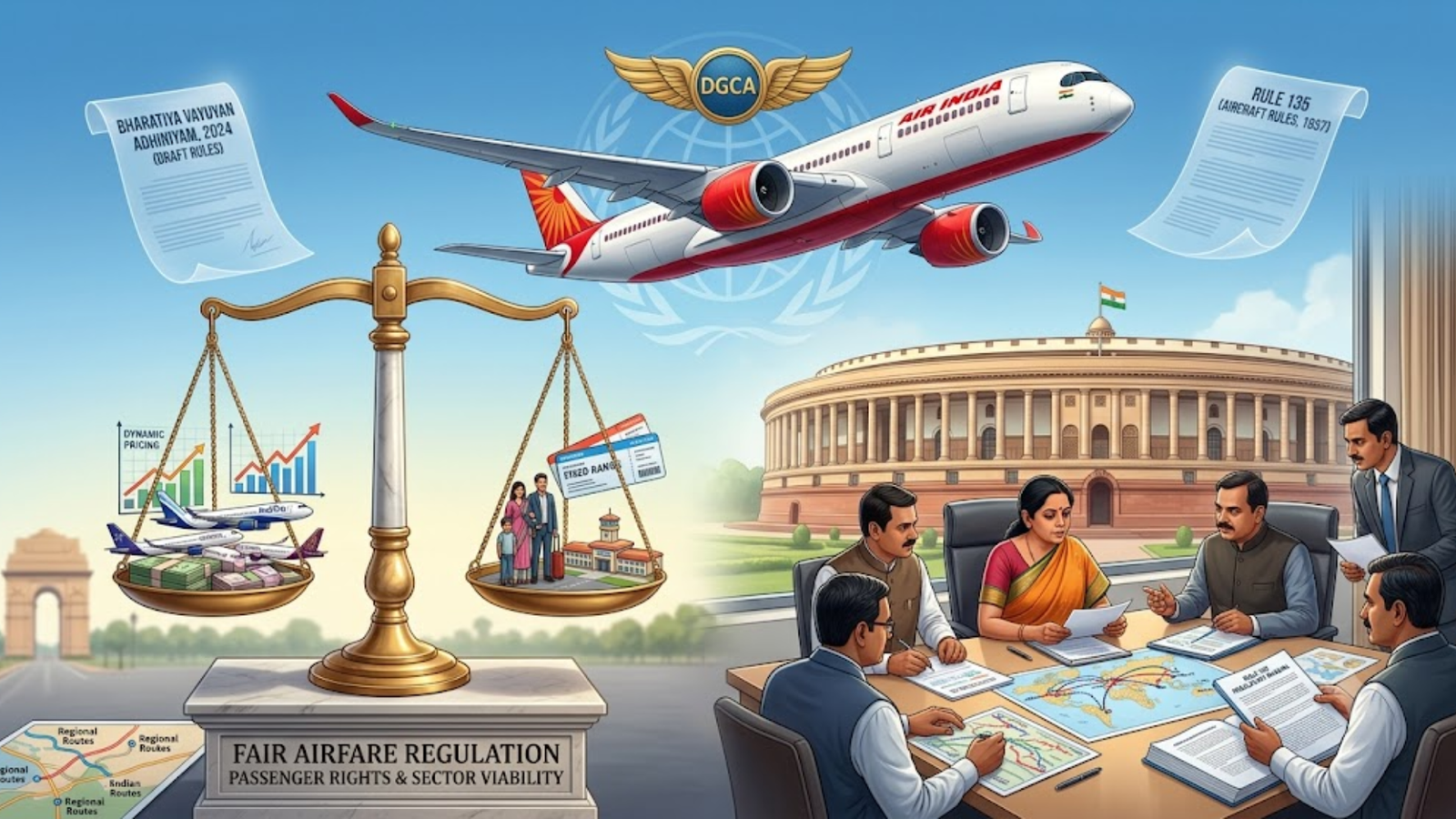
The Supreme Court’s latest intervention highlights the growing demand for stronger regulation of India’s aviation sector. By seeking an early review of the proposed Supreme Court aviation rules, the court has placed renewed focus on passenger rights, fair airfare practices, and regulatory transparency.
If the new rules are implemented under the Bharatiya Vayuyan Adhiniyam, 2024, they could help reduce arbitrary airfare fluctuations, improve accountability among airlines, and strengthen consumer confidence in India’s civil aviation system. The hearing scheduled for August 3 is expected to be a significant step in determining the future of airfare regulation and passenger welfare.